March in Amboseli is not one consistent month — it is two distinct halves. Early March can still feel close to the dry-window conditions that made February strong. Late March transitions into the long-rains pattern that defines April and May. Understanding this split is the single most useful thing for planning an Amboseli trip in this month.
Average temperatures in March are around 18 to 29 degrees Celsius. Rainfall rises through the month, beginning gradually and becoming more persistent and unpredictable toward the end.
Early March vs Late March
Early March (days 1-12 approximately):
Conditions in early March typically carry forward from the February dry window. Wildlife visibility is still good. Roads are firm. Kilimanjaro mornings are workable. This part of the month can deliver a genuinely productive safari with conditions approaching February’s quality.
Late March (days 15-31 approximately):
By the second half of March, the long-rains influence is building. Rain becomes more frequent and less predictable. Cloud cover increases. Kilimanjaro visibility becomes more variable. Game drive roads can become soft after heavy rain. The park begins to feel more like the April-May wet season than like the February-June dry window.
The practical implication: if you are considering March, an earlier travel date within the month consistently carries less risk than a later one.
Weather in March
March is the month where the long-rains pattern establishes itself. The transition is not always abrupt — some years see drier, clearer conditions well into March; others see rain arrive earlier. What makes March genuinely different from February is the uncertainty: you cannot assume the conditions will match February’s reliability.
Temperatures are warm, often the warmest of the year in Amboseli‘s late-February to March window, with highs around 29 to 30 degrees during the day.
Wildlife in March
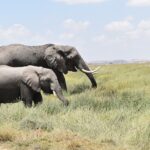
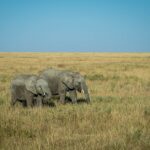
The elephant population remains highly reliable through March. The permanent swamp systems anchor the herds regardless of seasonal conditions, and large herd encounters are consistently available.
What changes from February:
- Vegetation becomes progressively denser and greener, which reduces predator visibility
- Game drive tracks in peripheral areas can become soft or temporarily inaccessible after heavy rain
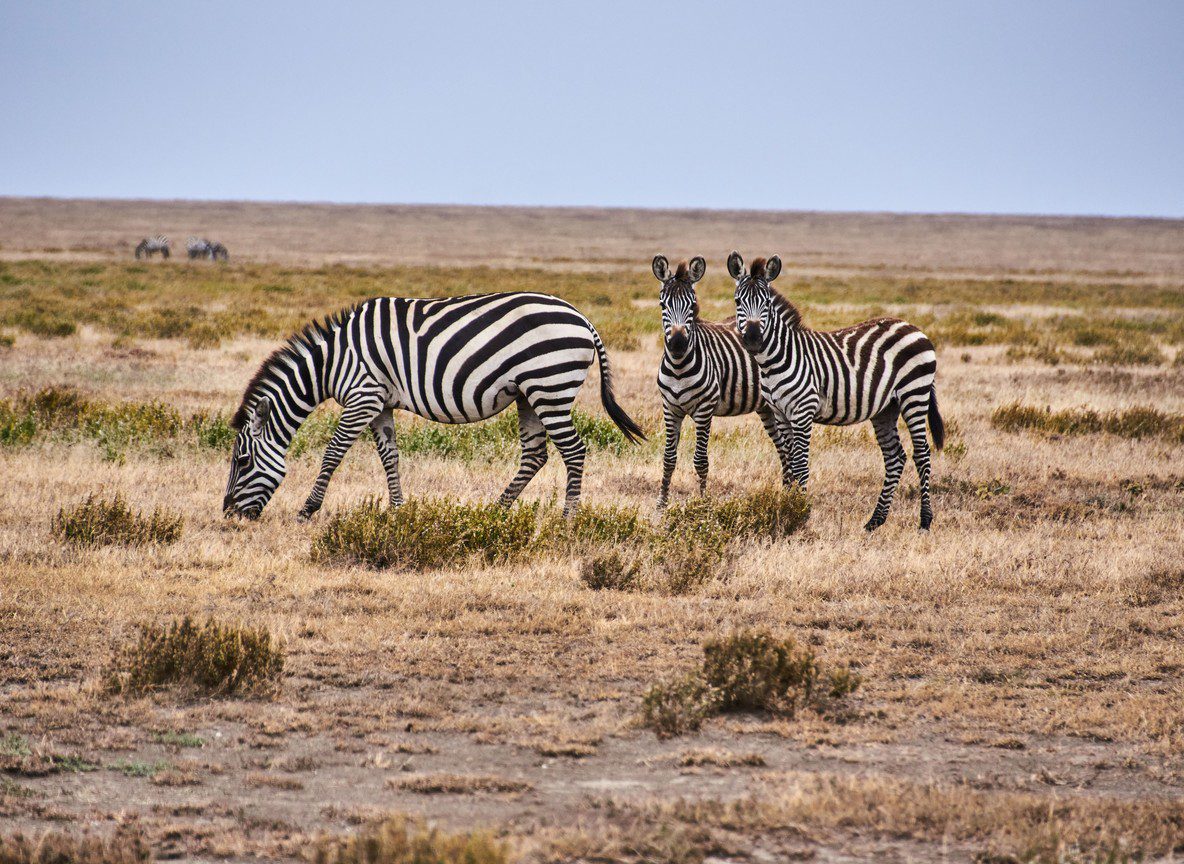
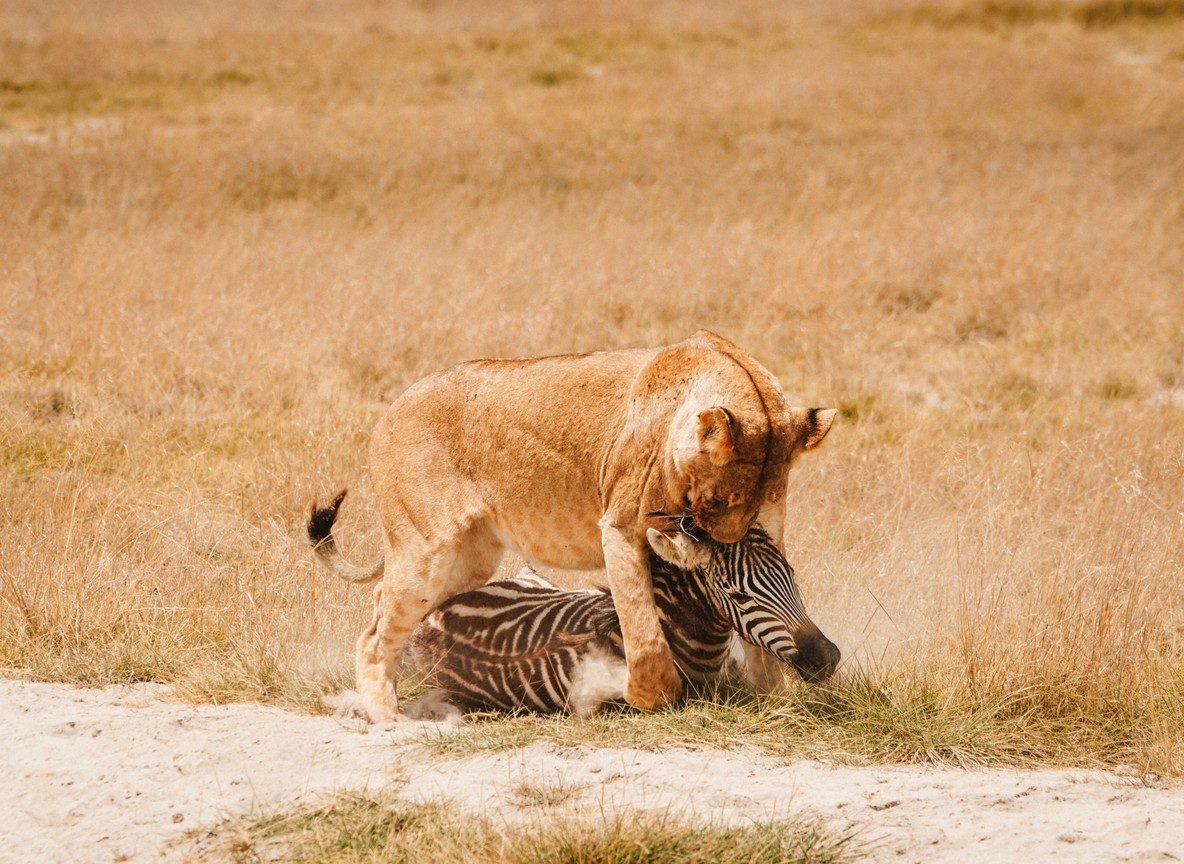
- The wider mammal picture remains good but feels less efficient than in the dry season
Birding improves through March as the ecosystem transitions to wetter conditions. Wetland species are increasingly active and diverse at the swamp margins, and some early Palearctic migrants remain in the region through late March.
Kilimanjaro Views in March
March is not a strong month for Kilimanjaro certainty. The probability of clear dawn reveals is meaningfully lower than in January, February, or any of the dry-season months. Cloud builds faster in March, and mornings that start clear can close over quickly.
For travellers whose primary Amboseli goal is mountain photography, March is among the weaker choices. Early March is better than late March, but neither competes with the dry-window months.
Who Should Consider March
Reasonable fit for:
- Travellers with fixed March travel dates who understand the seasonal trade-offs
- Repeat safari visitors who have done Amboseli in peak conditions and want the contrast of a transitional month
- Budget-focused travellers who can accept variable conditions in exchange for lower rates and a quieter park
- Birders for whom the improving wetland conditions are an attraction
Poor fit for:
- First-time safari visitors who want the straightforward, high-confidence experience
- Travellers whose primary goal is Kilimanjaro photography
- Short itineraries (one to two nights) where every drive needs to deliver — March’s variability is harder to absorb on short trips
March vs February and April: Where It Sits
| Month | Wildlife Quality | Mountain Reliability | Conditions | Demand |
|---|---|---|---|---|
| February | Very good | Strong | Dry, stable | Moderate |
| March (early) | Good | Moderate | Transitional | Low |
| March (late) | Good | Variable | Increasingly wet | Low |
| April | Moderate | Weak | Peak wet season | Very low |
March occupies the middle ground. It is not the struggle that April presents, but it is not the reliability that February delivers. The earlier within March, the closer the experience is to February.
Practical Notes for March
- Consider early-month dates if flexibility allows — the first two weeks are meaningfully more reliable than the last two
- Build in flexibility on afternoon drives if rain risk increases
- Pack a light rain layer regardless of when in March you travel
- Confirm road conditions with your lodge if travelling after mid-March, particularly for off-road or peripheral track access
- Three nights is a better structure than two in March to absorb potential weather variability on one drive
March at a Glance
| Factor | March Conditions |
|---|---|
| Rainfall | Rising — low early, increasing late |
| Wildlife visibility | Good early, moderating late |
| Kilimanjaro views | Variable — better early in month |
| Road conditions | Firm early, increasingly soft late |
| Crowd levels | Low |
| Best for | Value-focused travellers, birders, repeat visitors |
| Main consideration | Travel earlier in the month if possible |
For context, see the Amboseli in February guide and the Amboseli in April guide on Touring Insights.
Every trip described here can be tailored: dates, budget, camps, and pace built around you.
Get a Personalised Safari